


iPhone Repair: When to DIY and When to Call the Pros
Introduction
In an age where smartphones are our lifelines, the iPhone Repair industry has become a vital topic for many users. With the constant advancements in technology, the need for quick and effective repairs has surged. But how do you know when to tackle a repair yourself and when to leave it to the professionals? This article will delve into the nuances of iPhone Repair, helping you understand the intricacies involved.
The global smartphone repair market is projected to grow significantly, reflecting a growing dependence on mobile technology. Recent studies indicate that a majority of smartphone users have faced issues requiring repairs at some point. This growing trend emphasizes the importance of understanding your options when it comes to your beloved iPhone.
Throughout this article, we will explore the definition of iPhone Repair, its historical context, and its significance in today’s tech landscape. We will also discuss the mechanics of iPhone Repair, including when it makes sense to attempt DIY repairs and when to seek professional help. By the end of this piece, you’ll have a clearer understanding of how to approach your iPhone issues effectively.
So, when faced with a cracked screen or a malfunctioning battery, how do you decide your next steps? Let’s embark on this informative journey into the world of iPhone Repair.
What is iPhone Repair?
Definition
iPhone Repair refers to the process of fixing or restoring functionality to Apple’s iPhone devices. This can encompass a variety of issues, including screen replacements, battery issues, software malfunctions, and hardware failures. The goal of iPhone Repair is to restore the device to its optimal working condition, ensuring users can rely on their phones for daily tasks and communication.
Historical Context
The concept of iPhone Repair has evolved tremendously since the first iPhone was introduced in 2007. Early repairs were mainly limited to basic issues such as screen cracks and battery replacements. However, as technology advanced, so did the complexity of repairs. The introduction of features like advanced camera systems, Face ID, and intricate internal components has made iPhone Repair a specialized field, requiring skilled technicians equipped with the right tools and knowledge.
The Importance of iPhone Repair
In recent years, the relevance of iPhone Repair has heightened due to several factors. Firstly, as smartphones become more integral to our lives, the consequences of device malfunctions grow. A broken iPhone can lead to lost productivity, missed communications, and even data loss. Secondly, with the rising costs of new devices, many users are opting for repairs over replacements, making iPhone Repair a cost-effective solution.
iPhone Repair in the Context of Technology
The tech industry continually adapts and innovates, making iPhone Repair pivotal in maintaining device longevity. As phones become more advanced, repair techniques and technologies must evolve. This includes the utilization of specialized tools and repair kits designed for specific models, enhancing the efficiency and effectiveness of repairs.
Key Players or Contributors
Several key players contribute to the iPhone Repair industry, including authorized service providers, independent repair shops, and DIY enthusiasts. Each group plays a role in shaping the landscape of mobile repairs, providing various options for users seeking to fix their devices.
How Does iPhone Repair Work?
The Mechanics of iPhone Repair
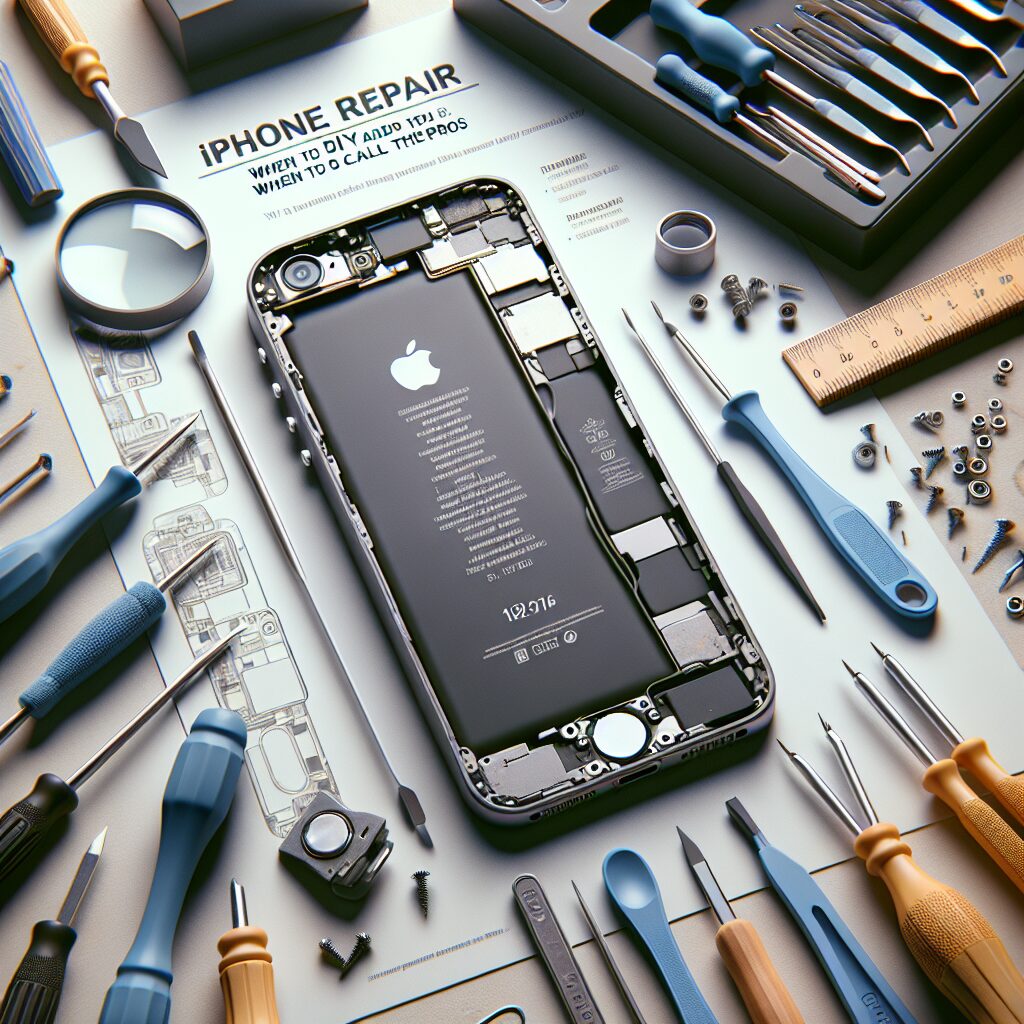
iPhone Repair involves a systematic approach, typically starting with a diagnosis of the issue. A technician or DIY enthusiast will:
- Assess the Damage: Determine the specific problem, whether it’s a cracked screen, battery issue, or software glitch.
- Gather Tools and Parts: Depending on the diagnosis, the necessary tools and replacement parts are collected. This can include screwdrivers, adhesive, screens, or batteries.
- Disassemble the Device: For hardware repairs, careful disassembly of the iPhone is required, ensuring no additional damage occurs during the process.
- Replace or Repair Components: The faulty part is replaced or repaired, requiring precision and expertise to ensure the device functions correctly.
- Reassemble and Test: After repairs, the iPhone is reassembled and tested to confirm that it operates as intended.
Technological Foundations of iPhone Repair
The foundation of iPhone Repair lies in both hardware and software components. Technicians must understand the intricate architecture of the device, including the motherboard, battery connections, and display technology. Furthermore, software repairs often require knowledge of operating systems and troubleshooting techniques to address issues such as software crashes or system updates.
Real-World Applications of iPhone Repair
iPhone Repair manifests itself in various real-world situations, including:
- Screen Replacements: Cracked screens are one of the most common issues, necessitating quick and efficient repairs.
- Battery Replacements: As batteries age, they may need to be replaced to ensure optimal performance.
- water damage restoration: Exposure to moisture can cause significant damage, requiring specialized techniques for recovery.
Case Studies/Examples of iPhone Repair in Action
- Screen Replacement: A user drops their iPhone, resulting in a shattered screen. A technician assesses the damage, replaces the screen, and ensures functionality is restored.
- Battery Replacement: An iPhone user notices their device drains quickly. A technician performs a battery replacement, restoring the device’s reliability.
- Water Damage Repair: After a spill, a user seeks assistance for their water-damaged phone. A specialized technician uses cleaning solutions and drying methods to recover the device.
Benefits and Drawbacks of iPhone Repair
While iPhone Repair offers numerous benefits, such as cost savings and device longevity, it also has drawbacks. Some repairs require specialized knowledge, and attempting a DIY repair without proper training can lead to further damage.
Benefits:
- Cost-effective compared to buying a new device.
- Extends the device’s lifespan.
- Reduces electronic waste.
Drawbacks:
- Risk of further damage.
- Potential loss of warranty.
- Time-consuming for complex repairs.
FAQs
1. What is the average cost of iPhone Repair?
The average cost of iPhone Repair can vary widely based on the issue and model. Basic repairs like screen replacements may range from $100 to $300, while more complex repairs can exceed $500. It’s crucial to get a quote from a reliable repair service for an accurate estimate.
2. How long does iPhone Repair usually take?
The duration of iPhone Repair depends on the complexity of the issue. Simple repairs, such as screen replacements, can often be completed within an hour, while more complicated problems, like water damage restoration, may take several days. Always ask the technician for a time estimate.
3. Is it safe to attempt iPhone Repair myself?
While many users successfully perform DIY iPhone Repair, it requires careful consideration and the right tools. If you’re not comfortable or lack experience, it’s advisable to seek professional help to avoid damaging your device further.
4. What are the signs that my iPhone needs repair?
Common signs include a cracked screen, slow performance, battery draining quickly, and software malfunctions. If you notice any of these issues, it may be time to seek iPhone Repair services.
5. Can I still use my iPhone if it has a cracked screen?
While you can continue to use a cracked screen, it’s not recommended. A cracked screen can worsen over time, leading to further damage and potential injury. It’s best to get it repaired as soon as possible.
6. Will iPhone Repair void my warranty?
Performing repairs by unauthorized technicians may void your warranty. Always check your warranty terms and consider using authorized service providers for repairs to maintain coverage.
7. How can I prevent needing iPhone Repair?
To reduce the risk of needing repairs, consider using a protective case, applying screen protectors, and avoiding exposure to water. Regularly updating your device software can also help prevent issues.
8. What is the most common type of iPhone Repair?
Screen replacements are the most frequent type of iPhone Repair due to accidental drops or impacts. As screens are fragile, this is a common issue among users.
9. Do I need an appointment for iPhone Repair?
Many repair shops accept walk-ins, but it’s advisable to call ahead or book an appointment for a specific time to ensure timely service, especially for busy locations.
10. What happens if my iPhone is beyond repair?
If your iPhone is deemed beyond repair, consider recycling it through an electronic waste program. Many manufacturers and retailers offer trade-in programs that provide credit toward a new device.
Conclusion
In wrapping up our exploration of iPhone Repair, it is clear that understanding the nuances of repair options is vital for any iPhone user. From knowing when to attempt a DIY fix to recognizing when professional help is needed, making informed decisions can save time, money, and frustration.
The importance of iPhone Repair cannot be overstated; it enables users to maximize the lifespan of their devices while minimizing waste. With the right knowledge and resources, you can navigate the complexities of repairs confidently.
As you reflect on the information presented, consider how you can apply these insights to your own iPhone issues. Whether you decide to take the DIY route or consult a professional technician, being informed empowers you to make the best choice.
Take the next step in your iPhone Repair journey—evaluate your device’s needs and seek the appropriate solutions. Remember, a well-maintained iPhone can serve you reliably for years to come.
Resource Links:
- support.apple.com: We can replace your iPhone battery for a fee. Our warranty doesn’t cover batteries that wear down from normal use.
- discussions.apple.com: … It’s been 2 full weeks since I gave my phone to the store. I still haven’t received my phone back. In fact, there has been zero status update from the repair …
- support.apple.com: Learn more about what’s covered under your warranty, costs for repair outside of warranty, and more for your specific Apple product. iPhone. Mac. iPad. iPod.