


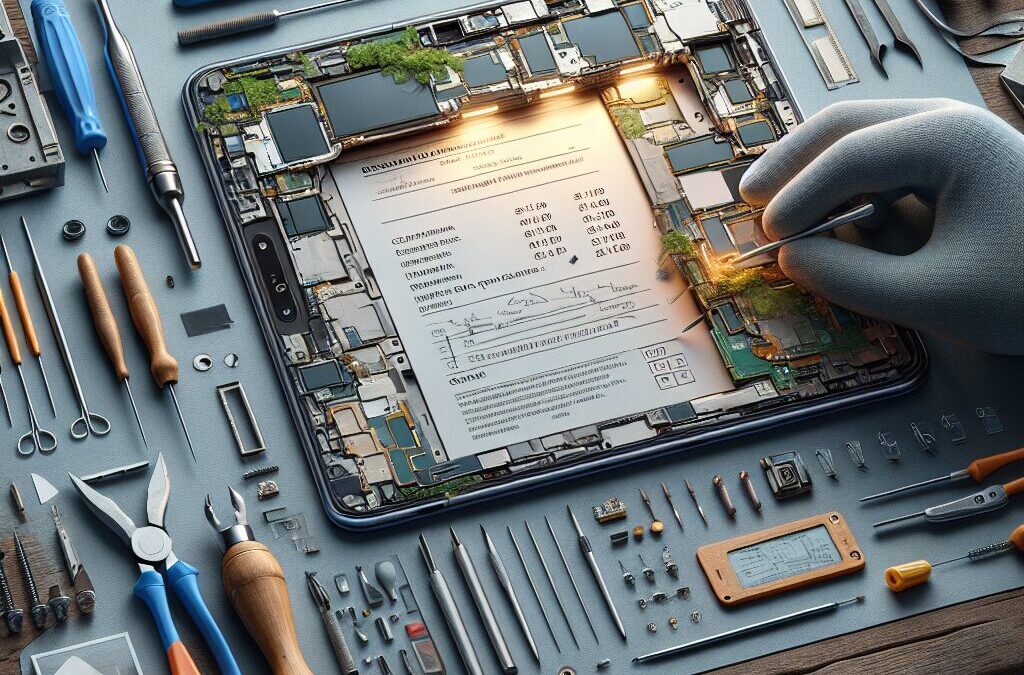
LCD Screen Replacement: Understanding the Process and Costs
Introduction
In our technologically driven world, the LCD Screen Replacement process has become an essential service for many device owners. Whether it’s a smartphone, tablet, or laptop, a cracked or malfunctioning screen can render these devices nearly unusable, disrupting our daily routines and productivity. This article will delve into the LCD Screen Replacement process, explore its importance, and discuss the associated costs, helping you understand what to expect and how to navigate this service effectively.
The demand for LCD Screen Replacement has surged due to the increasing reliance on electronic devices. Recent studies indicate a significant rise in screen damage incidents, primarily attributed to the fast-paced lifestyles of users. In fact, a survey revealed that over 50% of smartphone users have experienced screen damage at some point. This statistic emphasizes the growing need for efficient repair services that can address such issues quickly and affordably.
As you read through this article, you can expect to learn about the LCD Screen Replacement process, its significance in the tech repair industry, and the various options available for consumers. Additionally, we will cover the costs involved and provide tips on selecting the right service provider. By the end of this discussion, you will have a clearer understanding of how to approach LCD Screen Replacement when the need arises.
Whether you’re facing a cracked screen or simply curious about the repair process, let’s explore the world of LCD Screen Replacement together.
What is LCD Screen Replacement?
Definition
LCD Screen Replacement refers to the process of removing a damaged liquid crystal display (LCD) screen from a device and replacing it with a new one. This service is crucial for restoring the device’s functionality and visual appeal, especially when the original screen has sustained cracks, dead pixels, or other forms of damage.
Historical Context
The concept of screen replacement has evolved alongside technological advancements. In the early days, devices featured bulky cathode ray tube (CRT) screens, which were heavy and not easily replaceable. With the advent of LCD technology, screens became thinner and lighter, allowing for easier replacements. Over the years, innovations in LCD technology have led to improved display quality and durability, making LCD Screen Replacement an increasingly common service.
The Importance of LCD Screen Replacement
LCD Screen Replacement has gained significant relevance in recent years for several reasons:
- Increased Device Usage: As more people rely on smartphones, tablets, and laptops for daily tasks, the chances of screen damage have risen.
- Cost-Effectiveness: Repairing a device through LCD Screen Replacement is often more economical than purchasing a new one, making it an attractive option for many users.
- Environmental Impact: Choosing to repair instead of replace contributes to sustainability efforts by reducing electronic waste.
LCD Screen Replacement in the Context of Technology Repair
In the broader technology repair industry, LCD Screen Replacement plays a critical role. Repair shops often specialize in this service due to its high demand. Skilled technicians utilize various tools and techniques to ensure that the replacement process is seamless, restoring the device to its original condition.
Key Players or Contributors
Several key players contribute to the LCD Screen Replacement landscape, including:
- Repair Shops: Local and online repair services that specialize in screen replacements.
- Manufacturers: Companies that produce LCD screens and parts, supplying the market with high-quality replacements.
- Technicians: Skilled professionals trained in the intricacies of screen replacement, ensuring a quality service.

How Does LCD Screen Replacement Work?
The Mechanics of LCD Screen Replacement
The process of LCD Screen Replacement involves several steps, each critical to ensuring a successful outcome:
- Diagnosis: The technician assesses the device to determine the extent of the damage and confirm that a screen replacement is necessary.
- Preparation: The device is powered off, and any necessary tools are gathered to ensure a smooth replacement process.
- Disassembly: The technician carefully removes the device’s outer casing to access the LCD screen. This step requires precision to avoid damaging other components.
- Removal of the Damaged Screen: The defective screen is detached from the device. This may involve unscrewing screws or gently prying the screen away from adhesive.
- Installation of the New Screen: The new LCD screen is installed, ensuring it is securely attached and aligned correctly.
- Reassembly: The device is reassembled carefully, ensuring that all components are properly fitted and secured.
- Testing: Finally, the technician tests the device to ensure that the new screen functions correctly and that no other issues exist.
Tools and Equipment Used
The following tools are typically used during the LCD Screen Replacement process:
- Screwdrivers: Various sizes to remove screws.
- Plastic Pry Tools: To gently separate components without causing damage.
- Tweezers: For handling small parts.
- Suction Cups: To lift the screen without damaging it.
- Adhesives: For securing the new screen in place.
Common Issues and Challenges
During the LCD Screen Replacement process, technicians may encounter challenges such as:
- Stubborn Adhesives: Some devices use strong adhesives that can make screen removal difficult.
- Internal Damage: If the screen damage is due to a fall, other internal components may also be affected, complicating the repair process.
- Compatibility Issues: Ensuring that the replacement screen is compatible with the specific device model is crucial for a successful repair.
Costs Associated with LCD Screen Replacement
Average Costs
The cost of LCD Screen Replacement can vary significantly based on several factors, including:
- Device Type: Smartphones, tablets, and laptops have distinct pricing structures for replacement screens.
- Brand: Premium brands often have higher replacement costs due to the quality of parts used.
- Repair Shop: Different repair shops may charge varying rates based on their expertise and location.
On average, you can expect to pay anywhere from $50 to $300 for LCD Screen Replacement. Here’s a breakdown:
- Smartphones: $100 – $300
- Tablets: $80 – $250
- Laptops: $100 – $350
Factors Influencing Costs
Several factors can influence the cost of LCD Screen Replacement, including:
- Warranty Coverage: Some devices may still be under warranty, potentially reducing repair costs.
- DIY vs. Professional Repair: Attempting a DIY repair can save money but may also lead to further damage if not done correctly. Professional services typically ensure quality and reliability.
- Location: Repair costs may vary based on geographical location and the availability of parts.
DIY LCD Screen Replacement: Pros and Cons
Many device owners consider DIY options for LCD Screen Replacement. Here are some pros and cons:
Pros:
- Cost Savings: DIY repairs can be less expensive than professional services.
- Learning Experience: Engaging in the repair process can be educational.
Cons:
- Risk of Damage: Incorrect handling may lead to further damage, costing more in the long run.
- Lack of Warranty: DIY repairs often void manufacturer warranties.
Future Trends in LCD Screen Replacement
Advancements in Technology
The future of LCD Screen Replacement is set to witness several advancements, including:
- Increased Durability: With ongoing innovations in screen technology, future devices may feature more resilient screens that are less prone to damage.
- Improved Repair Techniques: As the industry evolves, new tools and methodologies will emerge, enhancing the repair process’s efficiency.
Eco-Friendly Practices
As environmental awareness grows, repair shops may adopt more eco-friendly practices, such as:
- Recycling Old Screens: Implementing recycling programs for damaged screens to reduce waste.
- Sustainable Materials: Using environmentally friendly materials for replacement screens.
FAQs
What is LCD Screen Replacement?
LCD Screen Replacement is the process of replacing a damaged liquid crystal display screen on devices such as smartphones, tablets, and laptops. This service restores the device’s functionality and visual quality, especially when the original screen is cracked or malfunctioning.
Why is LCD Screen Replacement important?
LCD Screen Replacement is crucial because it helps restore device usability, preventing further damage. It offers a cost-effective solution compared to purchasing a new device, contributing to sustainability by reducing electronic waste.
How long does LCD Screen Replacement take?
The time required for LCD Screen Replacement varies based on the device and the repair shop. Typically, repairs can take anywhere from 30 minutes to a few hours. More complex repairs may take longer, especially if additional damage is found.
Can I replace my LCD screen myself?
Yes, you can replace your LCD screen yourself, but it requires specific tools and skills. DIY repairs can save money, but improper handling may lead to further damage, so it’s important to weigh the risks against potential savings.
How do I choose a repair service for LCD Screen Replacement?
When selecting a repair service for LCD Screen Replacement, consider factors such as reviews, warranty policies, the experience of technicians, and pricing. Look for a shop that offers free diagnostics and guarantees their work.
What factors affect the cost of LCD Screen Replacement?
The cost of LCD Screen Replacement can vary based on several factors, including the type of device, brand, repair shop pricing, and whether the repair is covered under warranty. Average costs range from $50 to $300.
Is it worth repairing a device with a cracked LCD screen?
Repairing a device with a cracked LCD screen is often worth it. It is generally more cost-effective than purchasing a new device and helps extend the life of your current device, making it a practical choice for many users.
What should I do after my LCD screen is replaced?
After your LCD screen is replaced, check for any issues, such as touch responsiveness and color accuracy. It’s advisable to keep the device in a case to prevent future damage and consider using a screen protector for added protection.
What types of devices commonly require LCD Screen Replacement?
Common devices that require LCD Screen Replacement include smartphones, tablets, and laptops. With the widespread use of these devices, screen damage has become a frequent issue, leading to high demand for replacement services.
Are there any warranties for LCD screen replacements?
Many repair services offer warranties on LCD screen replacements, covering defects in the replacement parts and workmanship. Always inquire about warranty policies before proceeding with the repair to protect your investment.
Conclusion
In summary, LCD Screen Replacement is an essential service for anyone relying on electronic devices, encompassing a range of processes, costs, and future trends. Understanding the mechanics of this service can empower you to make informed decisions when faced with screen damage. The rise in demand for reliable repair services highlights the importance of choosing the right provider to ensure quality work.
As technology continues to advance, we can expect improvements in screen durability and repair methodologies, making the future of LCD Screen Replacement even more promising. By considering the insights shared in this article, you can better navigate the challenges of screen repairs, whether seeking professional help or contemplating a DIY approach.
Now, when your device faces screen issues, you’ll be equipped with the knowledge to handle the situation effectively. Remember, maintaining your device through regular check-ups and using protective gear can help minimize the need for repairs in the future. Stay informed, and make the best choices for your technology needs!
Resource Links:
- laptopscreen.com: Laptop & Tablet replacement LCD screens from $34.99 for all makes and models: Acer, Apple, Samsung, Dell, HP Compaq, Toshiba, IBM Lenovo, Sony, Gateway, …
- reddit.com: … I would check the LCD for a part number and see if you could find that part number online. If you’re not sure if it’s a part number, just Google …
- amazon.com: 3D Touch Display Digitizer Assembly with Repair Tools, Compatible with iPhone 11(A2111, A2223, A2221) (6.1 inch)