


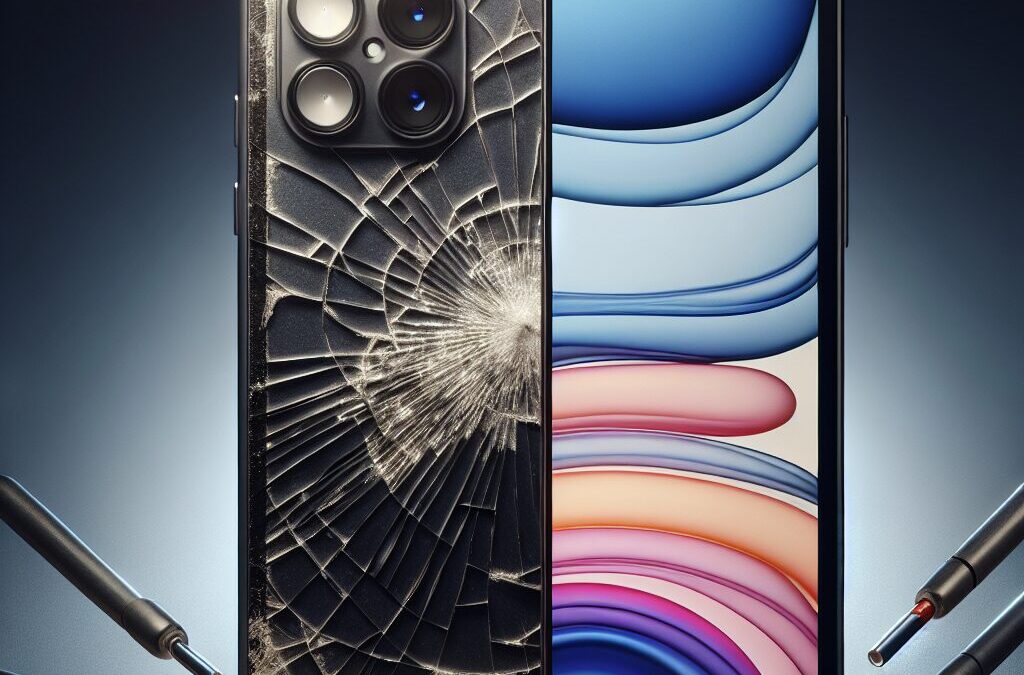
Display Replacement: How It Restores Clarity to Your Phone Screen
Introduction
In our fast-paced digital world, smartphone displays have become crucial to our daily lives. The clarity and functionality of these screens significantly affect user experience, from browsing social media to managing business tasks. One of the most common issues smartphone users face is a damaged or cracked display, leading to the vital need for display replacement. This process not only restores clarity but also enhances the overall usability of the device.
The increasing reliance on smartphones for various tasks has led to a surge in demand for efficient repair services, particularly for display replacement. With the evolution of technology, screens have become more advanced yet fragile. As a result, understanding the significance of display repairs in maintaining device performance becomes essential. In this article, we will delve into the details of display replacement, exploring its process, benefits, challenges, and future trends in mobile technology.
Did you know that a clear display can enhance productivity by up to 20%? A clean, functional screen allows users to navigate their devices seamlessly, which is essential in our increasingly mobile-centric lives. As we explore the intricacies of display replacement, you will gain insights into how this service can rejuvenate your device, making it feel like new again.
What is Display Repl acement?
Definition
Display replacement refers to the process of removing a damaged or malfunctioning screen from a smartphone and installing a new one. This service is crucial for restoring the device’s original functionality and visual clarity. As smartphones have become integral to our lives, the need for reliable display replacement services has grown significantly.
Historical Context
Over the years, smartphone displays have evolved dramatically. Early models featured simple LCD screens, while modern devices use advanced technologies like OLED and Super Retina displays. As screens have become larger and more delicate, the likelihood of damage has increased. Consequently, display replacement has emerged as a vital service in the mobile repair industry, catering to the needs of consumers who prioritize functionality and aesthetics.
The Importance of Display Replacement
Several factors contribute to the rising relevance of display replacement services:
- Increased Smartphone Usage: With the average user spending more time on their devices, the chances of accidental damage have risen, leading to a greater need for repairs.
- Demand for High-Quality Displays: As technology advances, consumers expect their devices to have clear, vibrant screens, making display replacement essential for maintaining performance.
Display Replacement in the Context of Smartphone Industry
Display replacement plays a significant role in the smartphone industry. Manufacturers are aware of the fragility of their products, leading to innovations in screen durability. Despite advancements, the demand for replacement services remains high due to user habits and lifestyle changes.
Key Players or Contributors
Several companies have made strides in the display replacement market. Manufacturers like Samsung and Apple have developed proprietary technologies to enhance screen durability, but third-party repair shops also thrive by providing alternative solutions for consumers seeking affordable options.
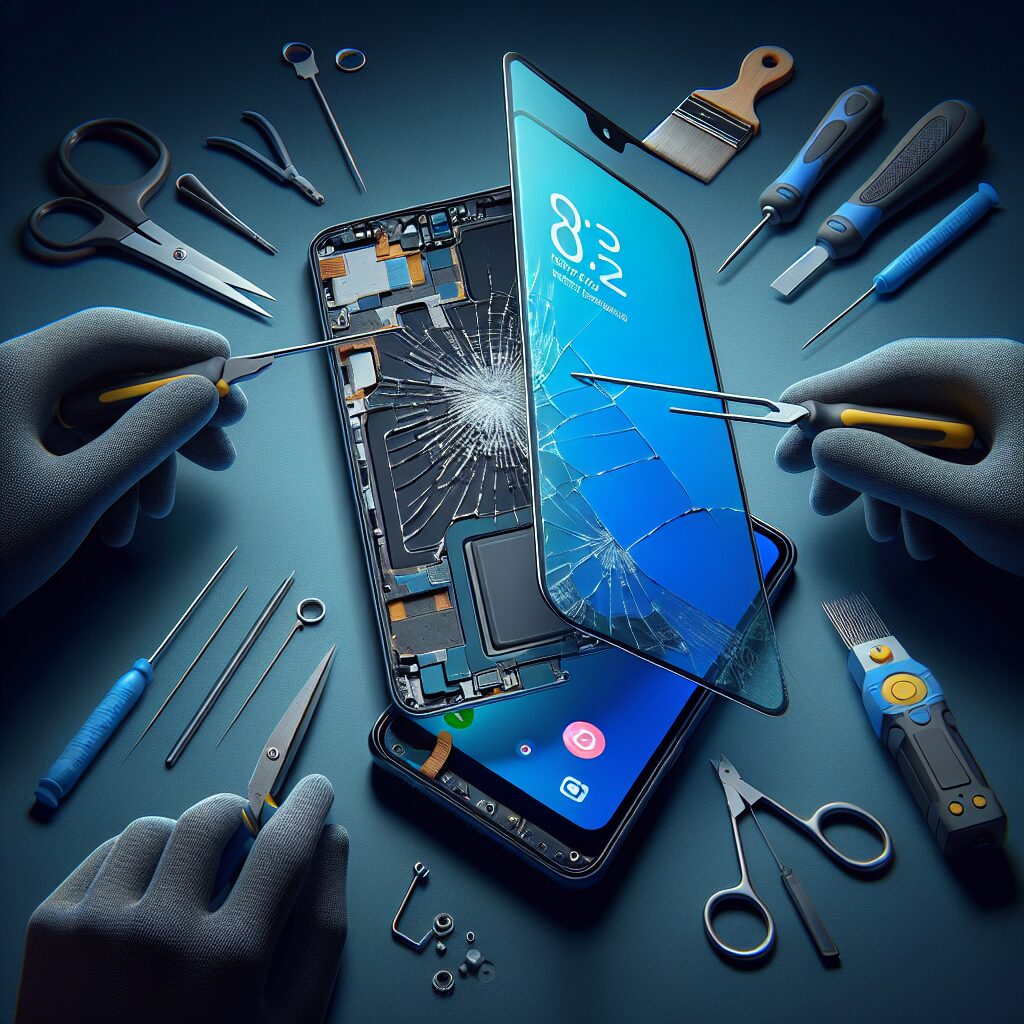
How Does Display Replacement Work?
The Mechanics of Display Replacement
The display replacement process involves several steps, ensuring a seamless transition from the old screen to the new one. Here’s how it works:
- Diagnosis: The technician assesses the damage and determines if display replacement is necessary.
- Preparation: The device is powered down, and protective measures are taken to prevent further damage.
- Removal: The damaged display is carefully detached from the device, often requiring specialized tools.
- Installation: The new display is installed, ensuring it is properly fitted and secured.
- Testing: The device undergoes various tests to confirm that the new display functions correctly.
Technological Foundations of Display Replacement
Understanding the technology behind display replacement is essential. The two most common display types are:
- LCD (Liquid Crystal Display): Known for its affordability and reliability, LCDs are commonly used in mid-range smartphones.
- OLED (Organic Light Emitting Diodes): These displays offer superior color accuracy and deeper blacks, making them popular in high-end devices.
Real-World Applications of Display Replacement
Display replacement services are essential in various scenarios, such as:
- Accidental drops leading to cracks or shatters.
- Water damage affecting screen functionality.
- Wear and tear over time, leading to diminished clarity.
Case Studies/Examples of Display Replacement in Action
Consider a scenario where a user drops their phone, resulting in a cracked screen. After seeking display replacement, the technician replaces the damaged display with a high-quality part, restoring the phone’s original clarity and functionality. Customers often express amazement at how quickly their device is restored to like-new condition.
Benefits and Drawbacks of Display Replacement
Opting for display replacement comes with several advantages:
- Cost-Effective: Repairing a display is often cheaper than purchasing a new device.
- Sustainability: Extending the life of a smartphone reduces electronic waste.
- Restored Functionality: A new display provides enhanced clarity and responsiveness.
However, potential drawbacks exist:
- Quality of Parts: Not all replacement displays are of equal quality, and consumers must choose reputable service providers.
- Time-Consuming: Depending on the repair shop, the process may take time, especially if parts need to be ordered.
Future Trends in Display Replacement
As technology advances, so does the display replacement industry. Emerging trends include:
- Improved Repair Techniques: Innovations in repair processes are making display replacement faster and more efficient.
- Increased Use of Durable Materials: Manufacturers are developing more resilient screens, potentially reducing the frequency of repairs.
- Enhanced Customer Service: Repair shops are focusing on providing quicker turnaround times and better customer experiences.
FAQs
What is display replacement?
Display replacement refers to the process of removing a damaged screen from a smartphone and installing a new one. This service is essential for restoring the device’s functionality and visual clarity.
How long does display replacement take?
The time required for display replacement varies by repair shop and the device’s condition. Generally, it can take anywhere from 30 minutes to a few hours, depending on the complexity of the repair and parts availability.
Can I do display replacement myself?
While DIY display replacement is possible, it requires specialized tools and skills. If done incorrectly, it may lead to further damage. It’s often best to seek professional help for optimal results.
How much does display replacement cost?
The cost of display replacement varies based on the device model and the repair shop. Prices typically range from $50 to $300, depending on whether the screen is original or a third-party part.
What are the signs that I need a display replacement?
Common signs include cracks, dead pixels, discoloration, or unresponsive areas on the screen. If you encounter these issues, consider seeking display replacement services.
Is it better to replace the display or buy a new phone?
Opting for display replacement is often more cost-effective than purchasing a new phone, especially if the device is otherwise functioning well.
Do all repair shops offer quality display replacements?
Not all repair shops provide the same quality of parts or service. It’s crucial to research and choose a reputable repair shop known for quality display replacement.
Can water damage affect the display?
Yes, water damage can significantly impact a smartphone’s display. If you suspect water has affected your phone, seek professional assistance for repair options, including display replacement.
How can I prevent display damage in the future?
To prevent future damage, consider using a protective case and screen protector. Avoid exposing your phone to extreme conditions, and handle it carefully to minimize the risk of drops.
What warranties are available for display replacement?
Many repair shops offer warranties on their display replacement services, typically covering parts and labor for a specified period. Always ask about warranty options before proceeding with repairs.
Conclusion
In summary, display replacement is a critical service for smartphone users, addressing the common problem of damaged screens. Understanding its process, benefits, and future trends empowers users to make informed decisions about their devices.
Maintaining a clear and functional display enhances usability and extends the device’s lifespan, making it a worthwhile investment. With the right knowledge, users can navigate the options available for display replacement, ensuring their smartphones remain reliable and efficient.
As technology continues to evolve, staying proactive about repairs will help you maximize your device’s potential. Don’t hesitate to explore display replacement options when needed and keep your phone functioning at its best.
Resource Links:
1. iFixit – A detailed guide on replacing phone screens, highlighting the benefits of restoring clarity and functionality.
2. Android Central – An article discussing the process of screen replacement and its impact on device usability and appearance.
3. TechRadar – A comprehensive overview of display replacement options and the advantages of restoring a clear screen.