

The Struggle and Triumph of Water-Damaged Battery Repair
Hey there! You know, I was just sitting here, sipping my morning coffee — which is actually more like a cold cup of regret at this point — when I started thinking about something that’s been nagging at me for ages. Water-damaged batteries. Ugh, what a hassle. I mean, they can ruin your day in the blink of an eye, right? One moment you’re cruising through life with your gadgets all charged and happy, and the next… poof—everything’s drenched. Yeah, it can feel like you dropped your hopes and dreams in a puddle. water-damaged battery repair
How Water Damage Happens
So first off, let’s chat about how this whole water-damage thing happens in the first place. Sometimes it’s just a careless mistake; maybe you spill coffee (who hasn’t?), or there’s a sudden rainstorm and you weren’t paying attention because you were listening to your favorite podcast about, like… potatoes? Weird example, but they talk about them being both simple and complex at once. Kind of like batteries! Anyway…
Water gets into places it really shouldn’t be — and that’s bad news bears for your tech! It’s amazing how these tiny little devices that we rely on so much can completely freak out over a splash or two. It reminds me of the time I dropped my phone into the toilet (thankfully it was clean!). Talk about panic! But hey, I dried it out and learned the hard way not to text while multitasking in the bathroom.
Diagnosing the Problem
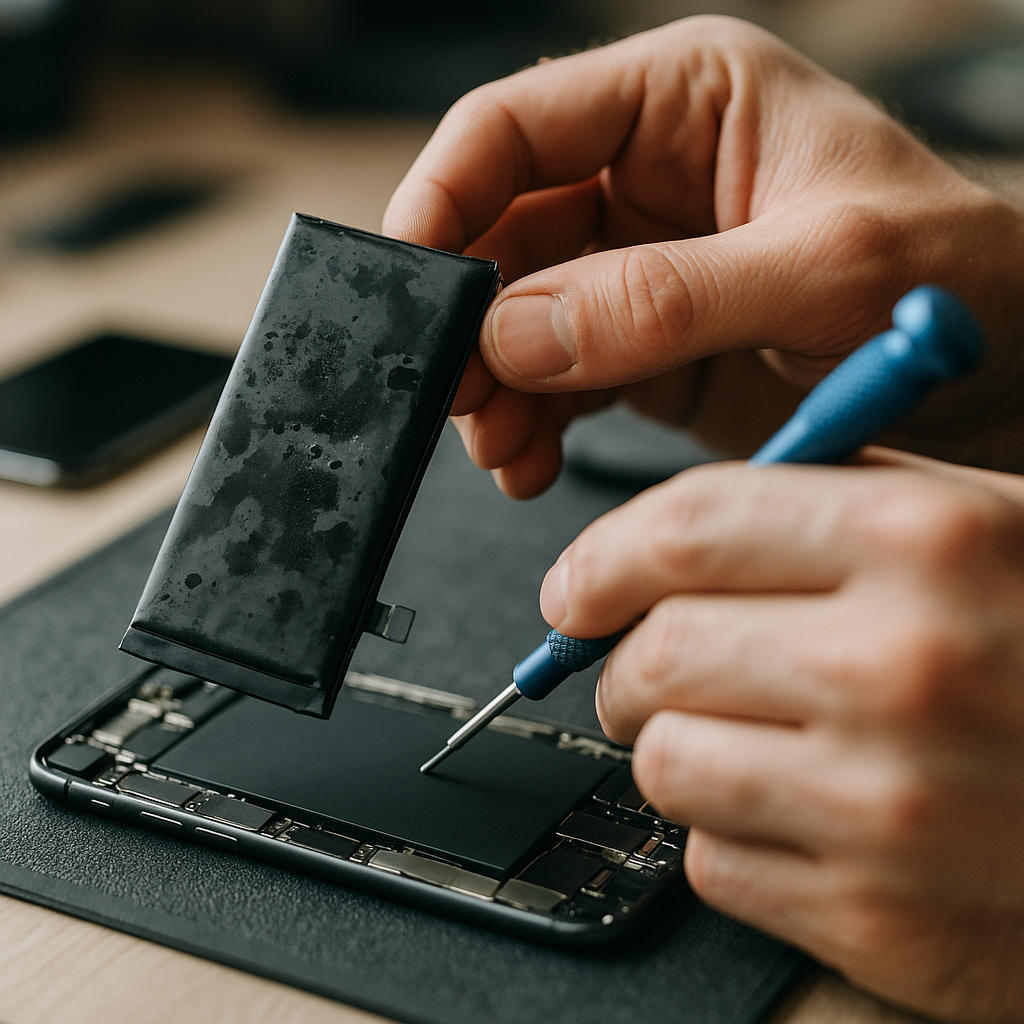
So say your battery takes a swim — what then? First things first: don’t just freak out (though it’s okay if you do for a second). Like, deep breaths people! You have to check if there are visible signs of damage. Sometimes it’s as straightforward as looking for corrosion on connectors or even fluid pooling around the battery area — yuck! If you’ve got that sticky stuff going on, it’s like those awful candy stains from last Halloween.
You should probably also disconnect everything as quickly as possible. Seriously; phones, laptops – whatever. You don’t want short circuits frying things up further than necessary (we’ve all been there!). Trust me: I’ve made mistakes where I tried to “turn it back on” because hope was still flickering somewhere deep inside me… Spoiler alert: that never ends well!
Cleaning Your Battery
Okay, so you’ve assessed the situation—good job! Now comes arguably one of the more complicated parts: cleaning. Alright—this could be pretty gross depending on how much gunk has built up.
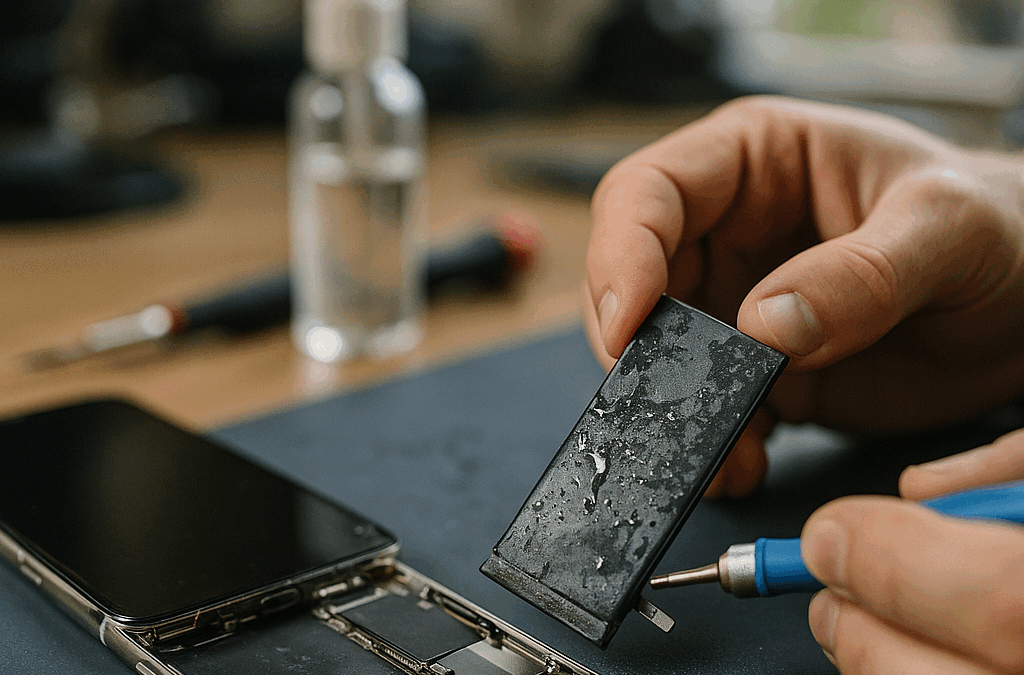
You’ll want to gather supplies first: cotton swabs or small brushes — nothing too abrasive unless you’re looking for extra excitement in your life. A mix of distilled water (not tap – seriously) and isopropyl alcohol usually does wonders when it comes to removing debris or corrosion without causing additional damage.
And here’s my pro-tip: gently scrub away corrosion with patience—I repeat patience. Some days I think I have zero patience; just yesterday my dog ran away from me while trying to coax him with treats and then decided “nah” when I caught up with him later on…
But anyhow—just remember these parts aren’t indestructible; you’re working against time here since moisture loves hanging around longer than unwanted guests at Thanksgiving.
Drying Your Battery
After you’ve cleaned everything up—now we play waiting games… fun times! Drying out is crucial; don’t skip this step please—it’ll save you headaches down the line. Place everything in an airy spot or use silica gel packets if you’ve got them handy – those little buggers absorb moisture like nobody’s business!
Also—I know it sounds odd—but putting stuff near heat sources is definitely not advisable…unless you’re trying to cook your device instead of restoring its health 🤦♂️.
When All Else Fails
Alright—let’s face it; sometimes love isn’t enough… Wait! Wait wait wait—I’m digressing again! Back to our theme—there might come a day when all these efforts still yield zero results. And that’s totally okay because sometimes these little devices have had enough trauma already.
If things aren’t working out post-repair attempts or maybe even due diligence fails on their part (insert heavy sigh here), consider investing in professional repair services—or even getting a replacement if all else fails! You know what? Last time my old laptop called quits after several spills (coffee again… classic!) and honest-to-goodness elbow grease failed—I opted for an upgrade…and boy am I glad I did!
Conclusion
So there we are friends—a journey through watery depths right into battery repair land and maybe back again? If anything else reminds us along this crazy ride it’s that living involves some risk-taking—even with our trusty gadgets.
Just make sure next time you’re pouring something sweet into your cup – keep that distance between technology & potential disaster! Because let’s face it: life is weird enough without adding electronics ruining everything over water shenanigans.
Anyway—I really hope this helps someone out there struggling through tech troubles…here’s wishing better luck next time—and more dry days ahead! Cheers!
FAQs About water-damaged battery repair
What should I do immediately after my battery gets water damaged?
First things first, don’t panic! Quickly disconnect any devices connected to the battery to prevent short circuits. Check for visible signs of damage like corrosion or pooling fluid around the battery area. The sooner you assess the situation, the better your chances for a successful recovery.
Can I fix a water-damaged battery myself?
Yes, you can attempt to fix a water-damaged battery yourself, but it requires careful handling. Start by cleaning off any corrosion with cotton swabs and a mix of distilled water and isopropyl alcohol. Be patient and gentle during this process. However, keep in mind that if the damage is extensive, professional help may be necessary.
How long should I let my battery dry after cleaning it?
After cleaning your battery, it’s important to let it dry completely before using it again. Ideally, place it in a well-ventilated area or near silica gel packets for at least 24 hours. Avoid using heat sources as they can further damage the battery components.
What materials do I need for cleaning a water-damaged battery?
For cleaning a water-damaged battery, you’ll need cotton swabs or small brushes, distilled water (not tap), and isopropyl alcohol. These materials will help you remove corrosion safely without causing additional damage to the battery.
When is it time to seek professional help for a water-damaged battery?
If your DIY efforts don’t restore functionality after cleaning and drying your water-damaged battery, it might be time to seek professional help. Signs that indicate you need expert assistance include persistent corrosion, physical damage to the casing, or if the device fails to charge even after all attempts.
How does water damage affect lithium batteries specifically?
Water damage can be particularly harmful to lithium batteries as it may lead to short circuits or increased risk of thermal runaway—a condition that can cause overheating or even fires. It’s crucial to address any moisture issues promptly with careful cleaning and drying methods.
Can I prevent water damage to my batteries in the future?
Absolutely! To prevent future water damage, consider using waterproof cases for devices that frequently encounter liquids. Additionally, maintain vigilance by keeping drinks away from electronic devices and opting for splash-resistant models when possible.
Is there any hope for a completely submerged battery?
While completely submerged batteries often suffer serious damage, there’s still hope! Remove the device from water immediately and follow cleaning and drying steps carefully. However, recognize that success rates decline significantly with prolonged submersion.
What are common signs of water damage in batteries?
Common signs of water damage in batteries include visible corrosion on connectors or terminals, swelling of the battery casing, abnormal leakage of fluids, and failure of the device to charge properly. Always inspect thoroughly if you suspect exposure to moisture.
Are there replacement options if my water-damaged battery cannot be repaired?
Yes! If your efforts at repair fail or if your device has sustained severe water damage, look into replacement options. You may purchase new batteries compatible with your device online or through authorized retailers. Upgrading might also be worthwhile!