


Battery Replacement: When Is It Time to Get Yours Changed?
Introduction
Have you ever found yourself in the middle of an important task only to have your device die on you? This frustrating experience often leads us to consider Battery Replacement. In our tech-driven society, where we rely heavily on gadgets for communication, work, and entertainment, understanding when and why to replace batteries is crucial. With modern advancements in technology and battery efficiency, knowing the signs that indicate it’s time for a Battery Replacement can save you from unnecessary headaches.
The significance of Battery Replacement has surged in recent years due to the increasing reliance on mobile devices, laptops, and electric vehicles. Recent studies show that over 80% of smartphone users experience reduced battery performance within two years of purchase. This trend highlights the necessity of being aware of battery health and replacement schedules.
In this article, we will explore the essentials of Battery Replacement. We’ll define what it entails, discuss when it’s necessary, and how the process works. We will also delve into related topics like battery lifespan, signs of a failing battery, and how to choose the right replacement. By the end of this discussion, you will be well-equipped to determine when to replace your battery, ensuring your devices run smoothly and efficiently.
What is Battery Replacement?
Definition
Battery Replacement refers to the process of removing a depleted or malfunctioning battery from a device and installing a new, functioning battery. This process is essential for maintaining the performance and longevity of electronic devices, ranging from smartphones and laptops to electric vehicles. A timely Battery Replacement can revive a device’s functionality and enhance user experience.
Historical Context
The concept of battery replacement has evolved significantly since the advent of portable electronic devices. Initially, devices relied on simple, non-rechargeable batteries. As technology advanced, rechargeable batteries became the standard. The introduction of lithium-ion batteries revolutionized the industry, offering longer life and better efficiency compared to previous options. Today, consumers often face decisions about Battery Replacement as devices become more integrated into daily life.
The Importance of Battery Replacement
Understanding Battery Replacement is more important than ever. With the rapid advancement of technology, batteries are becoming more complex. Their lifespan can be affected by various factors, including usage patterns, charging habits, and the quality of the battery itself. As a result, consumers must stay informed about when to replace their batteries to avoid performance issues and device failures.
Battery Replacement in the Context of Electronics
In the electronics industry, Battery Replacement is crucial for maintaining performance and user satisfaction. For smartphones, for instance, battery health directly affects usability. A failing battery can lead to unexpected shutdowns, slower performance, and even potential safety hazards. Regularly replacing batteries in laptops and tablets ensures that these devices remain functional and productive.
Key Players or Contributors
Numerous companies contribute to the Battery Replacement market, from manufacturers of batteries to repair services. Brands like Samsung and Apple have developed proprietary battery replacement services to ensure their devices run optimally. Additionally, third-party repair services that specialize in battery replacements have emerged, providing consumers with flexible options for maintaining their devices.

How Does Battery Replacement Work?
The Mechanics of Battery Replacement
Battery Replacement involves several key steps that ensure the process is efficient and safe. Here’s a step-by-step breakdown of how it typically works:
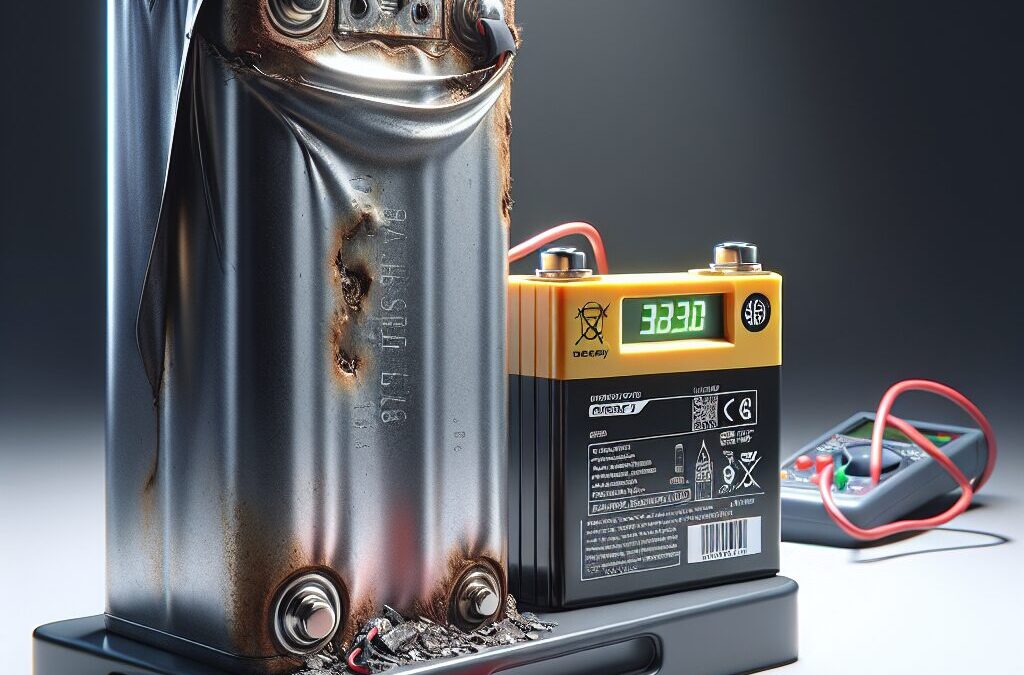
- Assessment: Before replacement, it’s essential to assess the battery’s condition. Signs of a failing battery include swelling, decreased battery life, and overheating.
- Device Preparation: Turn off the device and, if necessary, unplug it from any power sources. This step is crucial for ensuring safety during the replacement process.
- Disassembly: Depending on the device, disassembly may be required. This could involve unscrewing parts or using tools to safely open the device without causing damage.
- Battery Removal: Once the device is open, the old battery can be carefully removed. This step may vary based on whether the battery is removable or soldered.
- Installation of New Battery: The new battery is then installed in the device. It’s important to ensure that it is placed correctly and securely.
- Reassembly: After the new battery is in place, the device is reassembled. This process should be done carefully to avoid damaging any components.
- Testing: Finally, the device is powered on to ensure that the new battery is functioning correctly. Testing helps confirm successful installation and that the device operates as expected.
Signs That Indicate the Need for Battery Replacement
Recognizing when to replace your battery is vital for maintaining device performance. Here are some common signs that suggest it’s time for a Battery Replacement:
- Decreased Battery Life: If your device struggles to hold a charge or drains quickly during use, it may be time for a replacement.
- Swelling or Bulging: Physical deformities in the battery can indicate serious issues and require immediate replacement.
- Overheating: Excessive heat during charging can signal a failing battery. If your device becomes unusually hot, seek a replacement.
- Frequent Shutdowns: If your device shuts down unexpectedly, even with a decent charge, this is a clear sign of battery failure.
How to Choose the Right Replacement Battery
Selecting the right battery for replacement is crucial for device longevity. Here are some tips:
- Compatibility: Ensure the new battery is compatible with your device model. Check specifications and manufacturer recommendations.
- Quality: Opt for high-quality batteries, preferably from reputable manufacturers. Generic or low-quality batteries may lead to performance issues.
- Warranty: Look for batteries that come with a warranty. A warranty can provide peace of mind and assurance of quality.
Future Trends in Battery Replacement
As technology continues to advance, the future of Battery Replacement looks promising. Innovations in battery technology, such as solid-state batteries, promise longer lifespans and improved safety features. The rise of electric vehicles has also spurred developments in battery technology, leading to faster charging and more efficient energy storage solutions.
In the consumer electronics field, manufacturers are focusing on providing users with easier battery replacement options. Devices may increasingly feature modular designs that allow for effortless battery changes, reducing the need for professional assistance.
FAQs
- What are the signs that my device needs a battery replacement?
Signs include decreased battery life, swelling, overheating, and frequent shutdowns. If you notice these issues, it may be time to replace the battery. - Can I replace my device’s battery myself?
Yes, but it depends on your comfort level and the device. Some devices have easily removable batteries, while others require professional assistance due to complex assembly. - How long does a typical battery last before needing replacement?
Most batteries last between 2-3 years, but it can vary based on usage patterns and device type. Regular monitoring can help you gauge when replacement is necessary. - Is it worth replacing the battery in an older device?
If the device is still functional and meets your needs, replacing the battery can extend its life and improve performance, making it worth the investment. - What types of batteries are used in smartphones?
Smartphones typically use lithium-ion batteries, known for their high energy density and longevity compared to older battery technologies. - What should I do with my old battery?
Dispose of old batteries responsibly by taking them to a recycling facility or participating in a battery recycling program to minimize environmental impact. - How much does a battery replacement cost?
Costs vary based on the device and battery type. On average, expect to pay between $50 to $100 for professional replacement services. - Can using my device while charging damage the battery?
While it’s generally safe, using a device while charging can generate heat, which may shorten battery lifespan over time. - What factors can affect battery lifespan?
Key factors include usage patterns, charging habits, temperature exposure, and the quality of the battery itself. - Are there any apps to monitor battery health?
Yes, several apps can help monitor battery health and performance, providing insights into usage patterns and potential issues.
Conclusion
In summary, understanding Battery Replacement is essential for ensuring your devices function optimally. Recognizing the signs of a failing battery, knowing when to replace it, and choosing the right one can significantly enhance your device’s performance and lifespan. As technology continues to advance, staying informed about battery health will be increasingly important for all users.
The relevance of these points cannot be understated. In our tech-centric lives, a functional device is often critical for communication, work, and entertainment. By taking proactive steps to monitor and maintain battery health, you can avoid unexpected device failures and ensure seamless operation.
As you reflect on the importance of Battery Replacement, consider reviewing your devices’ battery health today. If you notice any signs of degradation, don’t hesitate to seek a replacement. Keeping your devices in top shape not only enhances your experience but also extends their lifespan. Take action now, and enjoy the peace of mind that comes with a fully functional device!
Resource Links:
- support.apple.com: We’re here to help. Our experts use genuine Apple batteries — designed, tested, and manufactured for Apple’s safety and performance standards …
- reddit.com: … My question: has anyone ever had any luck replacing their battery within AppleCare’s coverage even if it was slightly above 80 percent?
- support.apple.com: We can replace your iPhone battery for a fee. Our warranty doesn’t cover batteries that wear down from normal use.