


Emergency Phone Drying: What to Do Immediately After Water Exposure
Introduction
In our increasingly digital world, smartphones have become an essential part of our daily lives. Whether it’s staying connected with friends, navigating through unfamiliar cities, or even managing work tasks on the go, our phones are indispensable. However, one of the most common threats to smartphone longevity is water exposure. Did you know that approximately 20% of smartphone users experience water damage each year? This statistic highlights a crucial need for effective emergency phone drying methods.
When a smartphone is exposed to water, the clock starts ticking. Quick and effective action can mean the difference between a functional device and one that is permanently damaged. Understanding emergency phone drying is vital, especially for those who often use their devices in environments susceptible to spills or splashes.
In this article, we will delve into the world of emergency phone drying—what it means, why it matters, and the steps you need to take immediately after your phone encounters water. We will discuss the long-term consequences of neglecting water exposure and provide actionable tips for prevention. By the end, you’ll be equipped with the knowledge to handle water-related incidents like a pro.
What is Emergency Phone Drying?
Definition
Emergency phone drying refers to the immediate actions taken to mitigate water damage after a smartphone has been exposed to moisture. The goal is to remove moisture from the device as quickly as possible to prevent corrosion and other forms of damage.
Historical Context
Historically, smartphones have been vulnerable to water damage due to their intricate electronic components. Early mobile phones had limited protection against moisture, and water exposure often led to permanent malfunction. Over time, manufacturers have introduced water-resistant models, but accidents still happen. This has led to the development of various drying methods and products designed to save phones from water damage.
The Importance of Emergency Phone Drying
The significance of emergency phone drying cannot be overstated. With the prevalence of water exposure incidents, knowing how to dry a phone effectively can save users from costly repairs or replacements. Water can corrode internal components and cause short circuits, leading to a range of problems from malfunctioning displays to total device failure.
Emergency Phone Drying in the Context of Technology
As technology advances, so do the methods for protecting and repairing devices. Companies are continually innovating to create better waterproofing features and drying solutions. Users are encouraged to adopt best practices for phone care to minimize the risk of water-related damage.
Key Players or Contributors
Several companies have made significant contributions to the field of emergency phone drying. For instance, brands that produce desiccants and specialized drying kits are essential in the market, providing tools that help mitigate damage after exposure.

How Does Emergency Phone Drying Work?
The Mechanics of Emergency Phone Drying
The process of emergency phone drying involves several steps that users should follow immediately after their device gets wet. The first step is to turn off the phone to prevent short circuits. Following this, removing any external components—such as cases and SIM cards—can help accelerate the drying process.
Technological Foundations of Emergency Phone Drying
Effective drying techniques include:
- Desiccants: These moisture-absorbing materials, such as silica gel, can be very effective in drawing out moisture from devices.
- Air Drying: Allowing the phone to air dry in a well-ventilated area can help eliminate remaining moisture.
- Vacuum Methods: Using a vacuum cleaner on low settings can help draw moisture out from the phone without causing damage.
Real-World Applications of Emergency Phone Drying
Real-world scenarios often emphasize the need for emergency phone drying. For example, a user who accidentally drops their phone in a pool can prevent significant damage by following the aforementioned steps quickly.
Case Studies/Examples of Emergency Phone Drying in Action
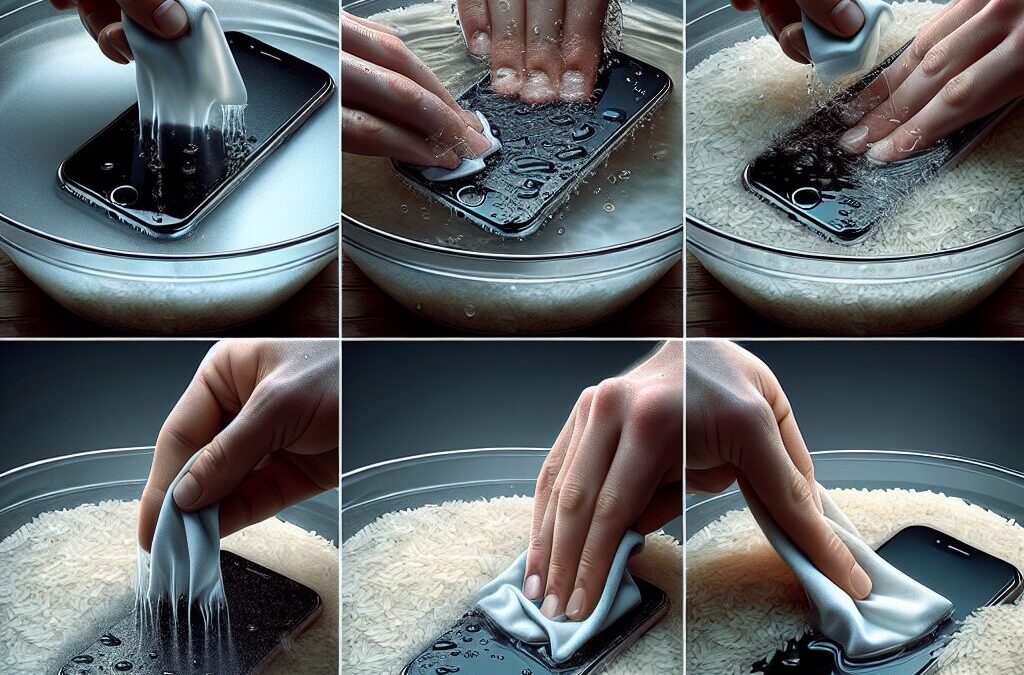
Consider a case where a user spilled water on their phone. By immediately removing the phone from the water, turning it off, and placing it in a bag of rice, they were able to save their device from permanent water damage. This simple method is a real-world example of effective emergency phone drying in action.
Immediate Actions After Water Exposure
When faced with water exposure, it’s crucial to act quickly. Here are some immediate steps to follow:
- Turn Off the Phone: Immediately switch off the device to prevent short circuits.
- Remove Accessories: Take off any cases, SIM cards, and memory cards to allow for better airflow.
- Dry the Exterior: Use a soft cloth to wipe off any visible moisture.
- Use Desiccants: Place the phone in a container with silica gel packets or rice for at least 24-48 hours.
- Avoid Heat Sources: Do not use hair dryers or ovens, as excessive heat can damage the internal components.
Long-Term Consequences of Water Exposure
Ignoring water damage can lead to severe long-term consequences. Corrosion can set in, affecting not just the battery but also the motherboard and other critical components. If a phone is not dried properly, issues can arise weeks or even months later, often without warning.
Tips for Prevention
Preventing water damage is crucial for maintaining the longevity of your device. Here are some actionable tips:
- Invest in Waterproof Cases: These can provide an extra layer of protection against accidental spills.
- Avoid Using Phones Near Water: Be mindful of where you use your phone, especially near pools or during rainy weather.
- Regular Maintenance: Keep the phone clean and check for any signs of wear that may compromise its water resistance.
FAQs
- What should I do first if my phone gets wet?
Turn off the phone immediately to prevent short circuits, then remove any accessories and dry the exterior with a soft cloth. - Can I put my phone in rice?
Yes, placing your phone in a bag of rice can help absorb moisture, but ensure the device is turned off and the SIM card is removed first. - How long should I leave my phone in rice?
It is recommended to leave your phone in rice or with desiccants for at least 24-48 hours for effective drying. - Will water damage void my warranty?
Yes, most warranties do not cover water damage. It’s best to check your warranty terms for specifics. - Can I use a hairdryer to dry my phone?
No, using a hairdryer can introduce excessive heat that may damage internal components. Stick to air drying or using desiccants. - What are the signs of water damage?
Signs include a malfunctioning display, battery issues, or the phone not turning on at all. - Is it safe to charge a wet phone?
No, charging a wet phone can cause severe electrical damage. Ensure the device is completely dry before attempting to charge. - What if my phone doesn’t turn on after drying?
If your phone doesn’t turn on after following drying procedures, it may require professional assessment and repair. - How can I prevent water damage?
Use waterproof cases, avoid using your phone near water, and regularly check for signs of wear on your device. - Is emergency phone drying effective?
Yes, if done promptly and correctly, emergency phone drying can save your device from permanent damage.
Conclusion
Understanding emergency phone drying is essential for every smartphone user. Quick action can prevent significant damage and save your device from costly repairs. By knowing what steps to take after water exposure and implementing preventive measures, you can protect your valuable technology effectively.
Remember, the key to successful emergency phone drying lies in immediate action, proper drying techniques, and awareness of your device’s vulnerabilities. Take these insights to heart, and you’ll be better prepared to handle any unexpected spills in the future.
If you ever find yourself in a situation where your phone has been exposed to water, refer back to these tips and consider seeking professional help if necessary. Your smartphone is an essential tool—keep it safe and functional for years to come.
Resource Links:
1. Lifewire – Step-by-step guide on drying out your phone after water exposure.
2. TechRadar – Tips and tricks for rescuing a wet smartphone effectively.
3. Digital Trends – Comprehensive advice on what to do immediately after your phone gets wet.