


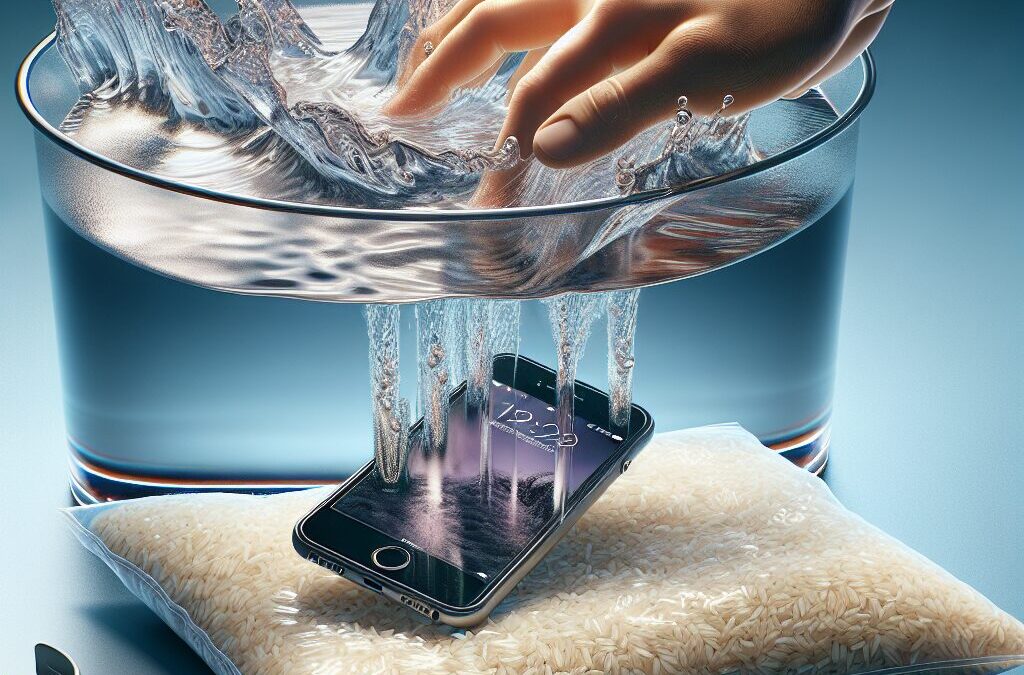
Phone Fell in Water? Here’s the Right Way to Dry and Save It
Introduction
Water damage is one of the leading causes of smartphone malfunction today, with nearly one in five smartphones experiencing water exposure at some point in their life. This startling statistic highlights the reality that many people face when their phone falls in water. Whether it’s a splash from a drink, a drop in the pool, or an accidental plunge into the toilet, the consequences can be dire for your beloved device.
As we continue to rely heavily on our smartphones for communication, navigation, and entertainment, understanding how to recover from water damage has never been more crucial. With the prevalence of water-damaged phones on the rise, knowing the correct steps to take can save you a significant amount of time and money.
In this article, you will discover essential tips on what to do immediately after your phone fell in water, including the dos and don’ts that could impact your device’s recovery. We will also touch on the importance of professional repair services in ensuring that your device receives the care it needs after a watery mishap.
What is Phone Fell in Water?
Definition
When we say phone fell in water, we are referring to the event where a smartphone comes into contact with water, either partially or fully submerged. This incident is critical because it can lead to various levels of water damage, ranging from minor issues like moisture in the speaker to severe problems like short-circuiting of internal components.
Historical Context
The evolution of smartphone water resistance has been ongoing since the introduction of the first mobile phones. Early models had little to no protection against water, making them highly susceptible to damage. However, as technology has advanced, many manufacturers now offer devices with varying degrees of water resistance, often rated using the IP (Ingress Protection) scale. This means that while some phones can withstand splashes, others can remain submerged in water for extended periods without sustaining damage.
The Importance of Phone Fell in Water
Understanding how to handle water damage is increasingly vital in our tech-savvy lifestyle. Smartphones are more than just communication devices; they hold personal data, photos, and access to countless applications that enhance our daily lives. Knowing the right steps to take when a phone fell in water can significantly impact the device’s longevity and functionality.
Phone Fell in Water in the Context of Smartphone Technology
Different smartphone models have different levels of water resistance. For example, while some flagship devices are equipped with advanced sealing technologies, many budget-friendly models lack such features. This variance means that the implications of a water-damaged phone can greatly differ based on the device’s construction.
Key Players or Contributors
Major smartphone brands such as Apple, Samsung, and Google have made significant strides in developing water-resistant models. Apple introduced water-resistant iPhones with the iPhone 7, while Samsung has been offering water-resistant features in its Galaxy series for years. As these innovations continue to evolve, so does the need for users to understand what to do when their phone fell in water.

How Does Phone Fell in Water Work?
The Mechanics of Phone Fell in Water
When a phone falls in water, several physical damage processes begin almost instantly. Water can infiltrate the device’s casing, reaching critical components like the motherboard, battery, and connectors. This intrusion can lead to short-circuiting, corrosion, and other types of damage that might not be immediately visible.
Technological Foundations of Phone Fell in Water
The internal components of a smartphone are particularly vulnerable to water damage. Circuit boards, which control the phone’s functions, can short out when exposed to moisture. Battery systems may become compromised, potentially leading to swelling or leaking. Understanding these vulnerabilities emphasizes the urgency of responding quickly after a phone fell in water incident.
Real-World Applications of Phone Fell in Water
Common scenarios where water damage occurs include:
- Accidental drops in pools or bathtubs
- Spills from beverages during use
- Exposure to rain without adequate protection
Case Studies/Examples of Phone Fell in Water in Action
Real-life stories illustrate the importance of immediate action. For instance, a user whose phone fell in water while taking pictures at the beach acted quickly by removing the case, turning off the device, and placing it in rice. This fast response likely saved the phone from severe damage.
Benefits and Drawbacks of Phone Fell in Water
Quick action can prevent water damage from escalating. The benefits of immediate intervention include:
- Potentially saving the device from permanent damage
- Reducing repair costs
- Maintaining data integrity
However, not taking the right steps can lead to irreversible consequences, emphasizing the importance of effective responses to a phone fell in water situation.
The Benefits of Phone Fell in Water
Knowing the benefits of addressing water damage promptly can empower users. Here are some key advantages:
- Preservation of Functionality: Timely action can restore your phone’s functionality.
- Cost-Efficiency: Avoiding extensive repairs through immediate intervention can save money.
- Peace of Mind: Knowing you took the right steps adds peace of mind in a stressful situation.
How to Handle a Phone Fell in Water Situation
Immediate Steps to Take
- Turn Off the Phone: If your phone fell in water, immediately power it down to prevent short-circuiting.
- Remove Accessories: Take out any cases, SIM cards, and memory cards to help the drying process.
- Dry the Exterior: Wipe the outside of the phone with a soft cloth. Avoid shaking the device, as this could spread water to other components.
- Place in a Drying Agent: Submerge the device in rice or silica gel packets for at least 24-48 hours to draw out moisture.
Dos and Don’ts
Dos
- Act Fast: The quicker you respond, the better the chance of saving your phone.
- Remove the Battery: If possible, take out the battery to stop any electrical flow.
- Seek Professional Help: If the device shows signs of malfunction, consider contacting a repair service.
Don’ts
- Do Not Use Heat: Avoid using a hairdryer or placing the phone in direct sunlight, as excessive heat can cause further damage.
- Don’t Shake It: Shaking the phone can push water deeper into the components.
- Avoid Charging: Don’t attempt to charge the phone until it is fully dried to prevent electrical shock.
The Role of Professional Repair Services
When a phone fell in water, sometimes self-repair isn’t enough. Professional services can provide thorough diagnostics and repairs. They have specialized equipment and expertise to handle extensive water damage that DIY methods might miss.
For instance, if your device isn’t functioning post-recovery attempts, consider reaching out to mobile repair specialists who can assess and fix the issue effectively.
FAQs
1. What should I do first if my phone fell in water?
Immediately turn off your phone to prevent short-circuiting. Remove any accessories, and dry the exterior with a soft cloth. Place it in a drying agent like rice or silica gel for 24-48 hours.
2. Can I charge my phone after it fell in water?
No, do not charge your phone until you are sure it is completely dry. Charging a wet phone can cause further damage and pose a risk of electric shock.
3. How long should I leave my phone in rice?
Leave your phone submerged in rice or silica gel for at least 24-48 hours. This time allows the drying agent to absorb moisture effectively.
4. Will my phone be fine if it fell in water for a few seconds?
It depends on the extent of the water exposure and the model’s water resistance. If you act quickly and follow the proper steps, there is a chance to save the device.
5. Should I take my phone to a repair shop after water exposure?
If your phone shows signs of malfunction after you have attempted to dry it, it is advisable to take it to a professional repair shop for a thorough assessment and repair.
6. How can I tell if my phone has water damage?
Signs of water damage include a malfunctioning display, corrosion on connectors, and moisture under the screen. Some phones also have liquid damage indicators that change color when exposed to water.
7. Is it safe to use a hairdryer to dry my phone?
No, using a hairdryer can apply excessive heat, which may cause further damage to internal components. It’s best to use air drying methods or a drying agent like rice.
8. What are the chances of recovery for a water-damaged phone?
The chances of recovery depend on various factors, including the extent of water exposure and how quickly you respond. Following the correct steps can significantly improve your chances.
9. Can a water-damaged phone be repaired?
Yes, many water-damaged phones can be repaired, especially if they are brought in soon after exposure. Professional repair services can assess the damage and provide necessary fixes.
10. What is the best way to prevent water damage in the future?
Using a waterproof case, avoiding using your phone near water, and being cautious when handling it in wet environments can help prevent future water damage.
Conclusion
In this article, we explored the critical steps to take when your phone fell in water and the importance of acting quickly to mitigate damage. We highlighted the mechanics of water damage and the vital role professional repair services play in recovery.
Understanding these points matters because your smartphone is a crucial part of your daily life, containing personal data and memories that are irreplaceable. Taking immediate action can save you from the frustration and costs associated with extensive repairs.
As a next step, if you ever find yourself in a situation where your phone fell in water, remember these steps. If you experience issues after drying, don’t hesitate to consult with a professional repair service. Being proactive can lead to the best possible outcomes.
Stay informed, and take care of your devices; your smartphone deserves it!
Resource Links:
1. ‘uBreakiFix’ – A comprehensive guide on how professionals handle water-damaged phones and the steps they take to repair them.
2. iFixit – An in-depth DIY guide for assessing and repairing water damage on smartphones, including tools and techniques.
3. TechRadar – An article detailing expert tips and tricks for dealing with water damage in smartphones and what to do immediately after a spill.