

Phone Screen Protector Install: Step-by-Step Guide for Perfect Results
Introduction
In an age where smartphones have become essential tools for communication, productivity, and entertainment, protecting these devices is paramount. One of the simplest yet effective ways to safeguard your smartphone is through a phone screen protector install. This article explores everything you need to know about installing a phone screen protector, ensuring that your device remains shielded from scratches, cracks, and other damage.
As smartphones continue to evolve, so do the materials and technologies used in screen protectors. From tempered glass to flexible films, the options available can be overwhelming. Understanding how to properly install a screen protector not only enhances your device’s durability but also maintains its aesthetic appeal. In this guide, you will discover various techniques, tips, and tricks to achieve a flawless installation.
You will learn about the different types of screen protectors available, the tools needed for a successful installation, and step-by-step instructions to ensure a bubble-free application. Additionally, we will delve into common mistakes to avoid during the installation process, helping you achieve perfect results every time.
So, whether you’re a seasoned smartphone user or a newcomer, this guide on phone screen protector install will provide valuable insights and actionable tips to protect your investment effectively.
What is Phone Screen Protector Install?
Definition
Phone screen protector install refers to the process of applying a protective layer over a smartphone’s screen to prevent damage from scratches, drops, and everyday wear and tear. These protectors come in various materials, including tempered glass, plastic, and liquid screen protectors, each offering different levels of protection and clarity.
Historical Context
The concept of screen protection dates back to the early days of mobile phones, where users sought ways to maintain their device’s condition. Initially, plastic films were the go-to solution, but as technology progressed, tempered glass emerged as the preferred choice due to its superior durability and clarity. Today, screen protectors are a staple accessory for smartphone users, with innovations continuously shaping their effectiveness and ease of use.
The Importance of Phone Screen Protector Install
The significance of phone screen protector install has grown in recent years as smartphones have become more fragile and expensive. With the increasing reliance on mobile devices for everyday tasks, having a screen protector is crucial. It not only preserves the device’s resale value but also enhances user experience by ensuring a clear and functional display.
Phone Screen Protector Install in the Context of Technology
As technology advances, so do the materials used in screen protectors. Modern protectors are designed to be ultra-thin, allowing for high touch sensitivity while still providing robust protection. Innovations such as self-healing materials and antimicrobial coatings are becoming more prevalent, further enhancing the appeal of screen protectors.
Key Players or Contributors
Several manufacturers dominate the screen protector market, offering a range of products tailored to different consumer needs. Brands like ZAGG, Belkin, and amFilm are known for their quality and reliability, contributing to the growing popularity of screen protectors.
How Does Phone Screen Protector Install Work?
The Mechanics of Phone Screen Protector Install
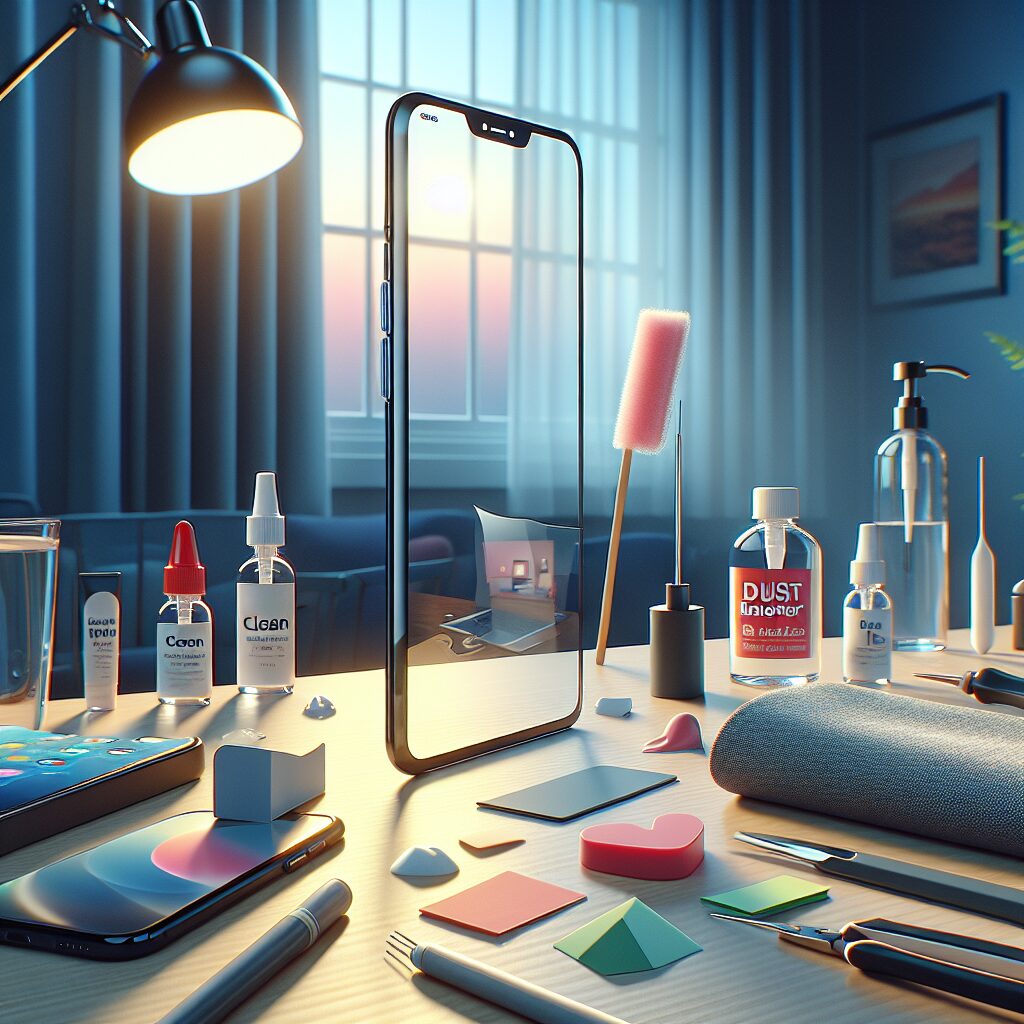
Understanding the mechanics behind a phone screen protector install is essential for achieving a successful application. The installation process involves several steps, from preparing the screen to applying the protector correctly.
- Preparation: Start by cleaning your phone screen thoroughly to remove any fingerprints, dust, or debris. A clean surface is crucial for ensuring proper adhesion of the screen protector.
- Alignment: Carefully align the screen protector with your phone’s screen, ensuring that it fits perfectly without overlapping the edges. Most screen protectors come with alignment guides to assist in this process.
- Application: Once aligned, gently place the protector onto the screen, starting from one edge and allowing it to settle into place. Use a plastic card or squeegee to push out any air bubbles, working from the center towards the edges.
- Sealing: After ensuring that there are no bubbles, press the edges firmly to seal the protector in place. This step is crucial for preventing lifting and ensuring long-lasting protection.
The Benefits of Proper Installation
A proper phone screen protector install not only enhances the durability of your device but also improves its performance. Here are some key benefits:
- Scratch Resistance: Protects the screen from scratches caused by keys, coins, and other objects.
- Impact Protection: Reduces the risk of cracks from accidental drops.
- Improved Resale Value: Maintains the screen in pristine condition, which can be beneficial when selling or trading in your device.
- Enhanced Clarity: High-quality protectors maintain screen clarity and touch sensitivity.
Common Mistakes to Avoid
To achieve the best results, avoid these common installation mistakes:
- Skipping the Cleaning Step: Failing to clean the screen can lead to dust and fingerprints trapped under the protector.
- Misalignment: Ensure proper alignment before applying the protector, as repositioning can lead to adhesive failure.
- Using Excessive Force: Applying too much pressure can cause the protector to crack or misalign.
Benefits of Using a Phone Screen Protector
Installing a screen protector provides numerous benefits that extend beyond just aesthetics. Here are some key advantages:
- Prevention of Damage: The primary function of a screen protector is to prevent damage from accidents, reducing the risk of costly repairs.
- Preserving Functionality: High-quality protectors do not interfere with touch sensitivity, ensuring your device remains fully functional.
- Reducing Glare: Anti-glare options can enhance visibility in bright conditions, making it easier to use your phone outdoors.
- Easy Replacement: If a protector becomes scratched or damaged, it can be easily replaced without affecting the phone’s screen.
How to Properly Install a Phone Screen Protector
Step-by-Step Guide
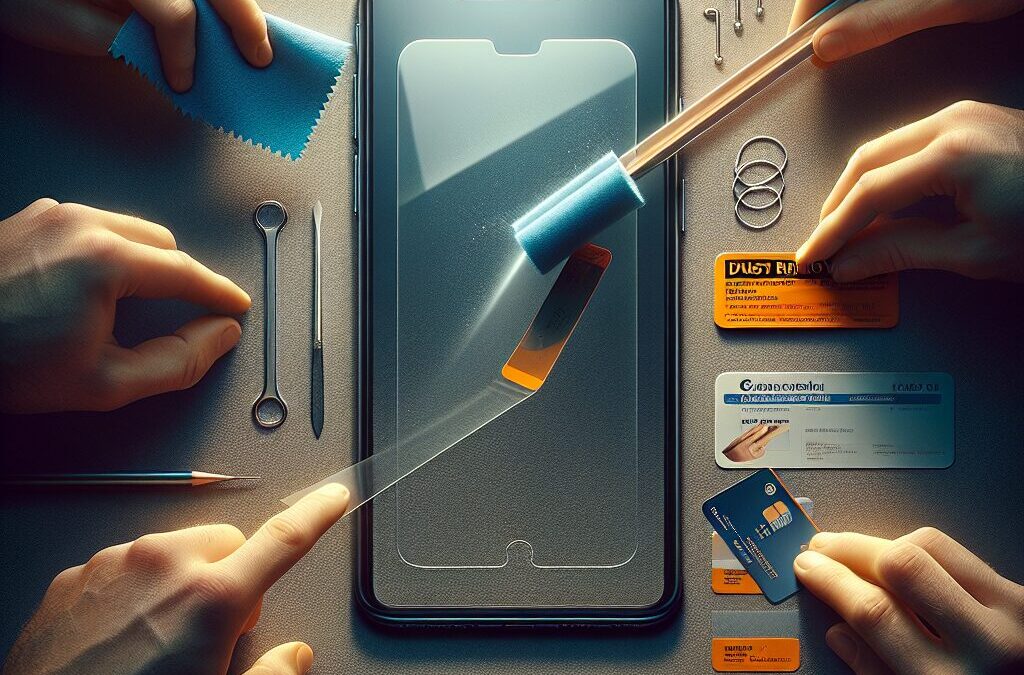
- Gather Your Materials: You will need a screen protector, a microfiber cloth, a plastic card, and possibly a dust removal sticker.
- Clean the Screen: Use the microfiber cloth to thoroughly clean the screen, ensuring it is free from dust and fingerprints.
- Align the Protector: Position the screen protector over the phone, ensuring it is aligned with the edges and camera cutouts.
- Apply the Protector: Start by placing one edge of the protector down and then gently lower the rest onto the screen, allowing it to adhere naturally.
- Remove Air Bubbles: Use the plastic card to push out any air bubbles, working from the center towards the edges.
- Final Check: Ensure that the protector is properly adhered and that there are no bubbles left.
Tips for Success
- Take your time during the alignment phase to avoid mistakes.
- If bubbles persist, lift the corner of the protector and use the card to push them out again.
- After installation, allow the protector to settle for a few hours for optimal adhesion.
Future Trends in Phone Screen Protectors
As technology progresses, the future of phone screen protector install looks promising. Here are some anticipated trends:
- Self-Healing Materials: Expect to see more screen protectors made from materials that can self-heal minor scratches.
- Antimicrobial Coatings: Protectors with built-in antimicrobial properties will become more common, addressing hygiene concerns.
- Flexible and Curved Options: As smartphones evolve, so will the designs of screen protectors, with more options for flexible and curved screens.
FAQs
What is a phone screen protector?
A phone screen protector is a thin layer of material applied to the screen of a smartphone to prevent scratches, cracks, and other forms of damage. They come in various types, including tempered glass and plastic films, and are designed to maintain the device’s touch sensitivity and clarity.
Why do I need a screen protector?
Using a screen protector is essential for protecting your smartphone’s display from scratches and damage caused by drops or everyday use. It helps maintain the device’s aesthetic appeal and can save you money on costly repairs or replacements.
How do I install a phone screen protector?
To install a phone screen protector, clean the device screen thoroughly, align the protector with the edges of the screen, and gently place it down. Use a plastic card to push out any air bubbles, ensuring a smooth application.
Can I reuse a screen protector?
Most screen protectors are not designed for reuse. Once removed, they may lose their adhesive properties and will not adhere properly again. It’s best to replace them with a new one for optimal protection.
How do I remove air bubbles from my screen protector?
To remove air bubbles, use a plastic card to gently push them towards the edge of the screen. If bubbles persist, you may need to lift the protector slightly and reapply it, ensuring a smooth fit.
What are the different types of screen protectors available?
Screen protectors come in several types, including tempered glass, plastic films, and liquid protectors. Tempered glass offers the best protection, while plastic films are thinner and more flexible.
How often should I replace my screen protector?
Replace your screen protector when it becomes scratched, cracked, or damaged. Regularly inspecting it can help you determine when it’s time for a new one to ensure consistent protection.
Do screen protectors affect touch sensitivity?
High-quality screen protectors are designed to maintain touch sensitivity. However, lower-quality options may impact responsiveness, so it’s crucial to choose a reputable brand.
Are all screen protectors compatible with my phone?
Not all screen protectors are universal. It’s essential to choose one specifically designed for your phone model to ensure proper fit and coverage.
How much do screen protectors typically cost?
Screen protector prices vary based on the type and brand. Typically, you can expect to pay anywhere from $10 to $50, with tempered glass protectors usually being on the higher end.
Conclusion
To wrap up, installing a phone screen protector install is a vital step in protecting your smartphone from everyday hazards. By understanding the installation process and following the outlined steps, you ensure that your device remains in pristine condition. The right screen protector not only safeguards against scratches and cracks but also enhances your device’s longevity and performance.
As smartphones continue to evolve, investing in a quality screen protector becomes increasingly important. The benefits far outweigh the nominal cost, and with the right knowledge and tools, you can easily apply a protector that suits your needs.
We encourage you to take action now—properly equip your phone with a screen protector and enjoy peace of mind knowing that your device is shielded from damage. Explore various options and find the best fit for your smartphone today. Your investment deserves the best protection available on the market.
Resource Links:
1. Lifewire – A detailed guide on the tools and steps needed for a successful screen protector installation.
2. TechRadar – Step-by-step instructions along with tips for achieving a bubble-free installation.
3. Android Central – Comprehensive walkthrough on installing different types of screen protectors with visual aids.