


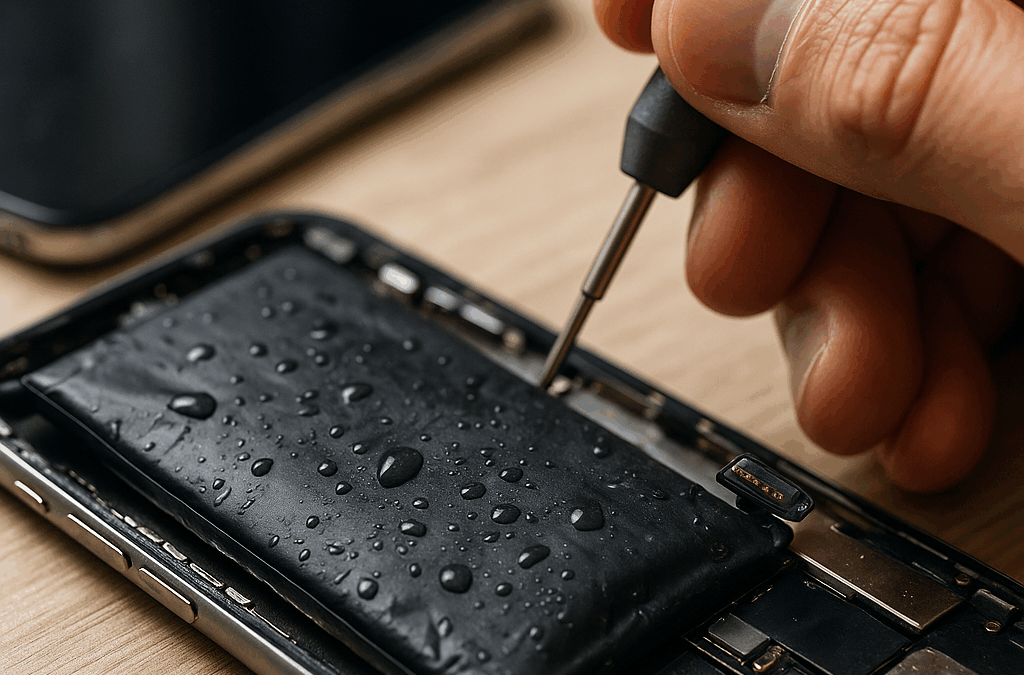
The Wild Ride of Water-Damaged Battery Repair
So, here we are, chatting about something that honestly is not the most glamorous topic in the world—water-damaged battery repair. It’s one of those things that can really make or break your day, you know? One moment you’re breezing through life with your perfectly functioning gadget, and then bam! A spilled drink, a freak rainstorm, or maybe a little mishap in the bathroom with your phone. And now? You’re staring down this wet hunk of electronics like it just played a prank on you.
Understanding the Chaos: What Happens When Water Meets Battery?
First off, let’s just say water and batteries are like that really awkward couple at a wedding who can’t stop fighting. Batteries typically love dry environments because… well, moisture can cause corrosion, which is essentially the bane of all electronics. I mean, it’s just sad to watch something so promising turn into a doorstop because of a little accident.
When water seeps into your device—ugh, don’t even get me started on how you don’t realize it’s happening until it’s too late—you’ve got an array of potential problems. The circuit boards might short out. The battery casing could get compromised. And sometimes… oh man… the whole system could just fail because water has this sneaky way of getting into places you’d never imagine! Like that pocket in your coat where you found gum from last winter—it was hidden there like treasure!
So what do you do when life gives you lemons—or in this case, a soggy smartphone?
Drying It Out: The First Step
Right off the bat—don’t panic! I mean easier said than done, but seriously—you’ve got options! The first thing to do is dry it out as best as you can. Turn it off immediately if it’s still on; think of this as letting it take a nap until it’s better (that metaphor makes no sense). Pull out anything removable—the SIM card, the microSD—if applicable—and let them dry separately.
Now here’s where I’ll tell you my little tale—I once dropped my iPhone in the toilet… yeah. Total facepalm moment for sure. I immediately turned it off (because who needs to see those selfies float away?) and stuffed it in rice for like two days. So romantic, right? Spoiler alert: It worked! Well kind of… but man did that phone smell funky afterwards!
The Rice Myth & Other Absurdities
Oh! But let me pause here and address the whole “stick your wet phone in rice” thing. It’s weirdly become a go-to remedy for people who have ruined their devices with moisture—but does it actually work? Sorta? There’s some science behind why silica gel packets work better than rice; they absorb moisture more effectively without leaving grains stuck everywhere (trust me; cleaning out cooked rice is annoying!). If you’ve ever tried fishing uncooked grains out from under a screen protector… ugh! Not worth it.
I guess what I’m saying is use whatever you’ve got available to absorb moisture—be creative! But don’t go overboard and think dried beans or quinoa will be the magical answer to your wet nightmares!
Moving On: Inspecting for Damage
Once things are dry—and boy does patience pay off here—it’s time to inspect for damage. This part requires some bravery folks—like going back into that disaster zone after being bombarded by waterworks! Look for signs of corrosion: any green or white stuff along metal connections or battery terminals needs immediate attention.
This is also where some folks may wonder if they should attempt DIY repairs or just take their tech to an expert—which let me tell ya… can get tricky! There’s this fine line between being handy and being totally reckless. One wrong move could lead to more damage than good; not trying to scare you but electrical work isn’t really forgiving!
DIY vs Professional Repair: Weighing Your Options
There’s nothing quite like feeling accomplished fixing something yourself—it gives you that warm fuzzy feeling inside like when your mom made cookies after school—yeah that’s what we’re going for here! But before taking apart your device hoping you’ll find buried treasure (or spare change?), consider how skilled you feel with tools and soldering irons.
If you’re thinking “maybe I’ll just wing it,” try YouTube tutorials first—they’re helpful; plus there’s always someone filming their catastrophic fails to keep things real (which honestly might be more comforting). But if you’re like “nahhh”, opt for professional help instead—the investment might save not only your gadget but also your sanity when things get dicey.
Conclusion: Don’t Let Water Win!
At the end of the day—and wow was this journey wild—it boils down to treating these situations with caution (and maybe some humor). Water-damaged battery repair isn’t exactly fun nor straightforward—it can be emotional and frustrating too—but hopefully with these tips and tales shared from my own mishaps… you’ll find yourself armed and ready should disaster strike again.
Just remember—even if technology seems unrepairable sometimes—there’s always hope floating around somewhere (just not literally!) And hey, whether you manage to fix things up or need a little outside assistance, know that at least you’re not alone navigating these watery predicaments! Stay dry out there!
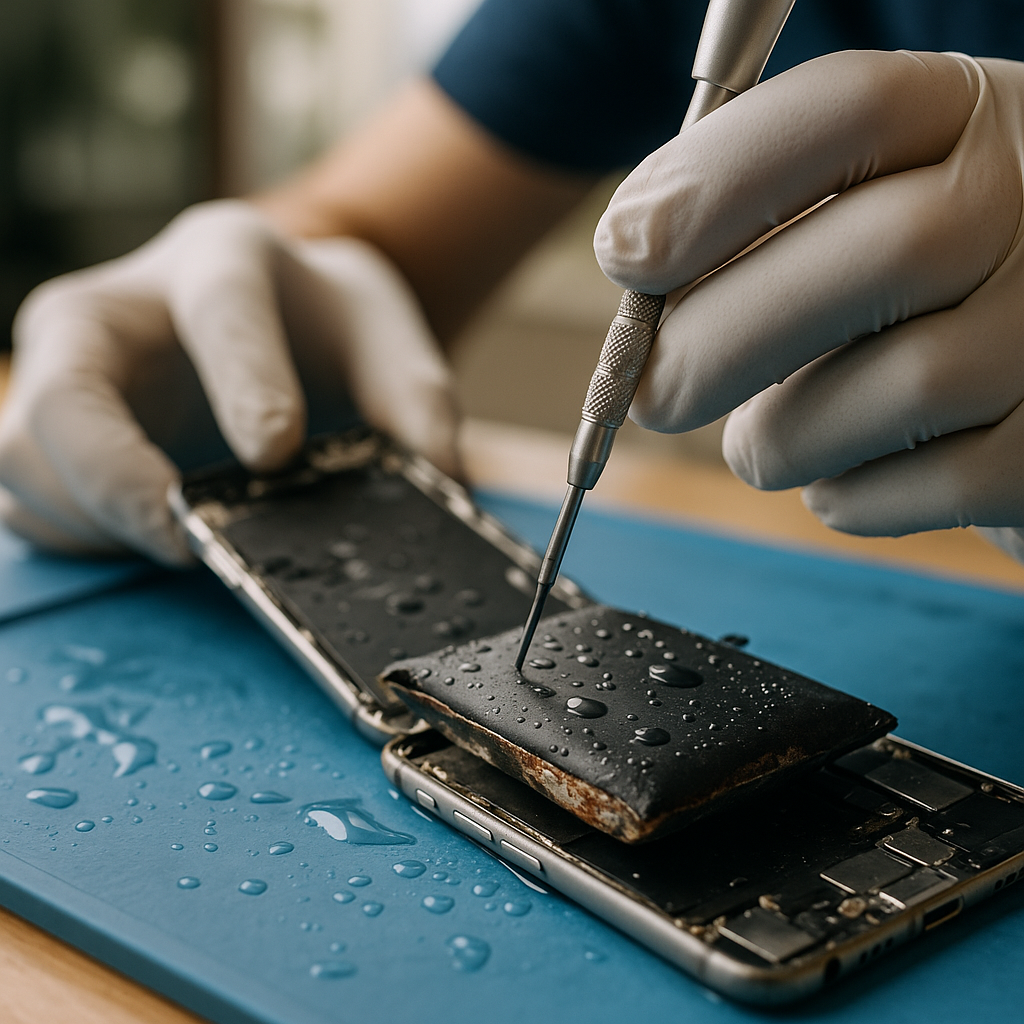
FAQs About water-damaged battery repair
What should I do first after my battery gets water-damaged?
If your battery has been exposed to water, the first step is to turn off your device immediately. This helps prevent short circuits. Remove any removable parts, such as the SIM card or microSD card, and let them dry separately. Then, dry your device as best as you can with a soft cloth and consider placing it in a moisture-absorbing substance, like silica gel, for at least 24-48 hours.
Can I repair a water-damaged battery myself?
Yes, it’s possible to repair a water-damaged battery yourself, but it requires caution. Before diving into repairs, assess your skill level with tools and soldering. You may want to consult online tutorials to see if you’re comfortable proceeding. However, keep in mind that DIY repairs can sometimes lead to more damage, so weigh your options carefully.
What are the signs of corrosion on a water-damaged battery?
Signs of corrosion on a water-damaged battery include visible green or white residue on metal contacts and terminals. If you notice any discoloration or flaky material around connections, it indicates that the water has caused corrosion damage that needs immediate attention.
Does putting a wet phone in rice actually work for repair?
The rice method is a popular myth for drying out wet devices, but it isn’t the most effective solution. While rice can absorb some moisture, silica gel packets work much better due to their higher moisture absorption capabilities. If using rice, be prepared for cleaning up grains from your device afterward.
When should I seek professional help for battery repair?
You should consider seeking professional help for battery repair if you’re unsure about your skills in handling electronics or if initial drying efforts haven’t worked. Professionals have the expertise and tools needed to effectively diagnose and repair damage without risking further issues.
How long does it take for a wet phone battery to dry out?
Typically, you should allow at least 24-48 hours for a wet phone battery to dry out completely. During this time, it’s crucial not to try powering on the device prematurely, as this can cause short circuits if moisture is still present inside.
What kind of tools will I need for DIY water-damaged battery repair?
For DIY water-damaged battery repair, essential tools typically include small screwdrivers (for opening up devices), tweezers (for handling tiny components), and possibly soldering equipment if repairs require connecting wires or components. Always ensure you have proper lighting and a clean workspace.
Is there any way to prevent my device from getting damaged by water again?
To prevent future water damage, consider investing in waterproof cases for your devices. Additionally, keep them away from areas prone to spills—like kitchens or bathrooms—and remain vigilant about using them near bodies of water. Regularly inspect and maintain devices can also help catch potential issues early.
How much does professional water-damage battery repair cost?
The cost of professional water-damage battery repair can vary widely based on factors such as the device type and extent of damage. Generally speaking, repairs might range from $50 to $200 or more depending on whether parts need replacement or extensive labor is required.
Can all types of batteries be repaired after exposure to water?
Not all types of batteries can be successfully repaired after being exposed to water; many lithium-ion batteries become unsafe after moisture exposure due to corrosion risk. Some may be salvaged with proper care while others might require complete replacement for safety reasons.
What steps should I take if my phone doesn’t turn on after getting wet?
If your phone doesn’t turn on after getting wet, first ensure that it’s completely dry—allow at least 24-48 hours without power before attempting anything else. If it still doesn’t respond afterward, check for visible signs of damage or corrosion; at this point consulting a professional would be advisable.